Latest micro-posts
You can also also view the full archives of micro-posts. Longer blog posts are available in the Articles section.
Hot off the kitchen.
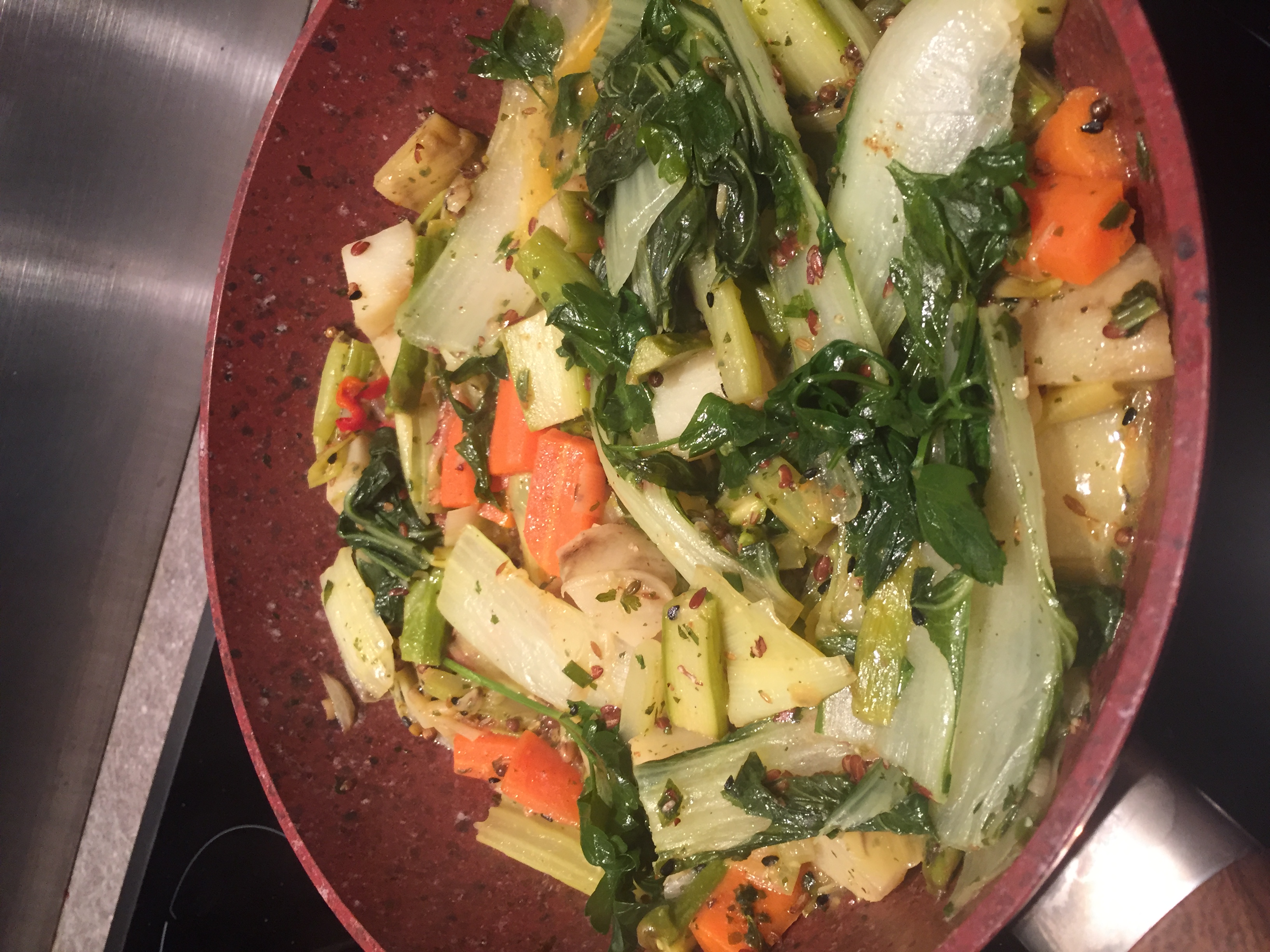
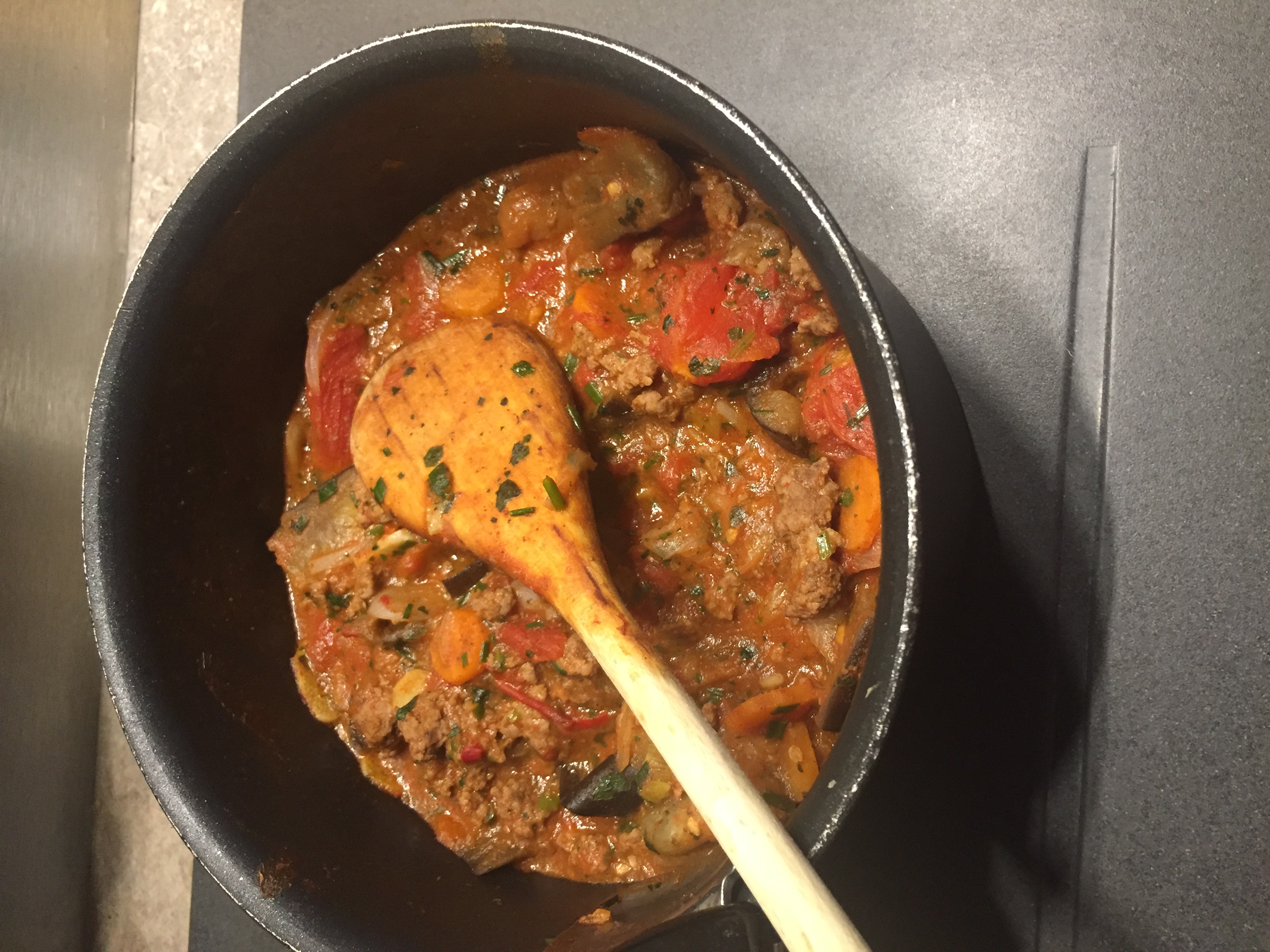
Authors always say the best way to write better is to read more, which I can vouch for in blogging. Building up some RSS feeds in an aggregator like The Old Reader can be a great source of inspiration.
But it’s also important to stress that this is only one approach. 8,000 posts sounds superficially impressive, but doesn’t speak to quality or detail. Writing a few posts a year is just as valid and worthwhile. If you’re having fun doing it, who cares. — 8,000 post feedback, and regular writing
[I]n biology, when one research team publishes something useful, then other labs want to use it too. Important work in biology gets replicated all the time—not because people want to prove it’s right, not because people want to shoot it down, not as part of a “replication study,” but just because they want to use the method. So if there’s something that everybody’s talking about, and it doesn’t replicate, word will get out. — Biology as a cumulative science, and the relevance of this idea to replication
Random effects/mixed effects models shine for multi-level data such as measurements within cities within counties within states. They can also deal with measurements clustered within subjects. There are at least two contexts for the latter: rapidly repeated measurements where elapsed time is not an issue, and serial measurements spaced out over time for which time trends are more likely to be important. An example of the first is a series of tests on a subject over minutes when the subject does not fatigue. An example of the second is a typical longitudinal clinical trial where patient responses are assessed weekly or monthly. For the first setup, random effects are likely to capture the important elements of within-subject correlation. Not so much for the second setup, where serial correlation dominates and time ordering is essential. — Longitudinal Data: Think Serial Correlation First, Random Effects Second
Rust ownership, the hard way. #rust
Nice add-on to hide Firefox tab when there’s only one.
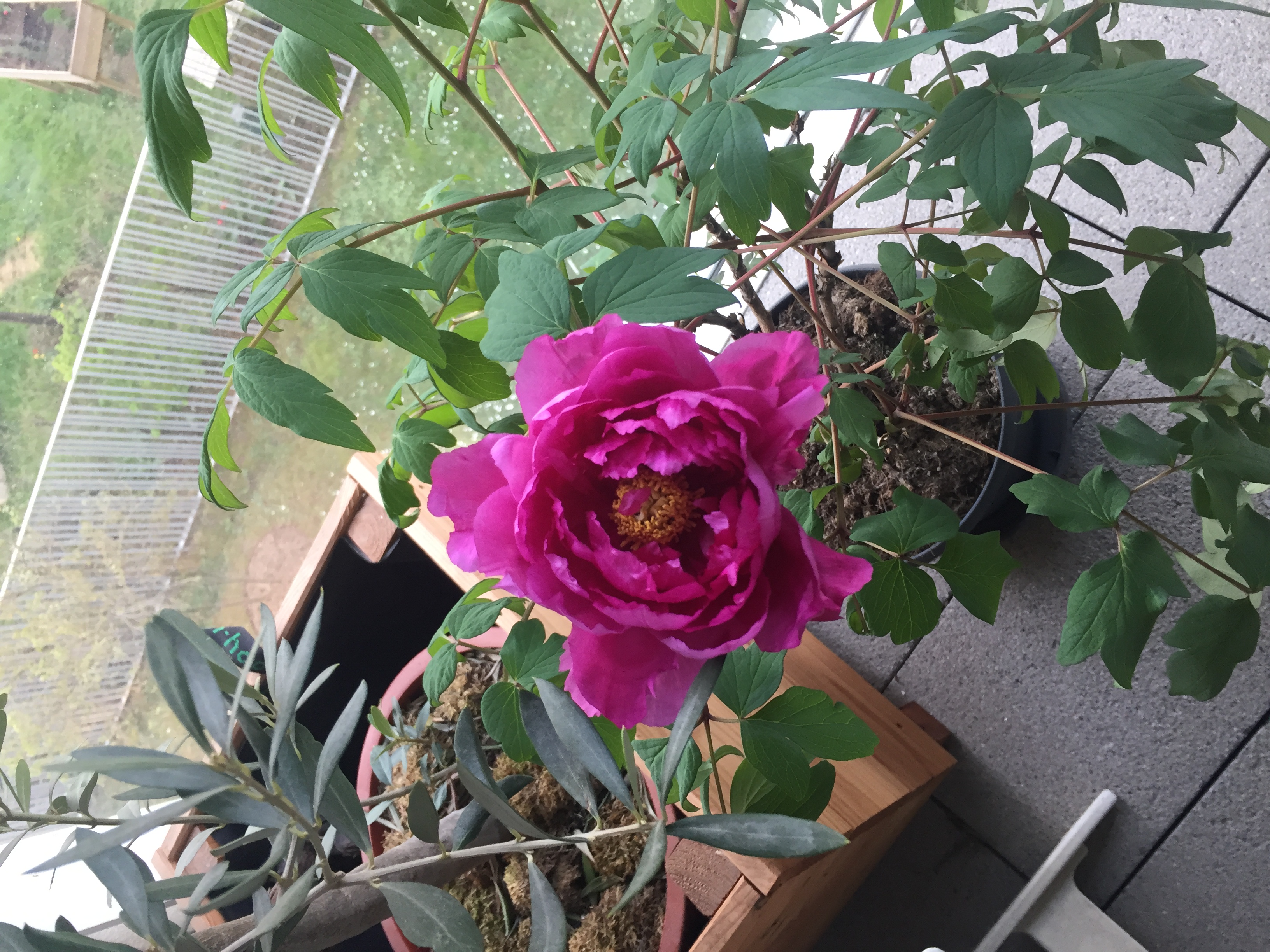 First peony on the balcony.