Latest micro-posts
You can also also view the full archives of micro-posts. Longer blog posts are available in the Articles section.
Nice summary of rysnc: Farewell to scp.
I didn’t know there were so many flavors of
Vi… #vim
Think Linear Algebra. #python
/me is listening to “Step Into The Gray” by Stuart A. Staples
Apple used to be a one-book religion. Apple’s Human Interface Guidelines used to be cited by every User Interface course over the world. Xerox PARC and Apple were the two institutions that studied what it means to have a good human interface. Fast forward a few decades, and Apple is doing the best worst it can to break all the guidelines and consistency it was known for. — Why TUIs are back
If you use IPython as your REPL of choice when editing Python files in Neovim, and you also happen to use uv to manage your project, the following keymap might be useful:
nnoremap <buffer> <silent> <leader>! :sp term://uv run --offline --with ipython ipython --no-banner<cr><C-w><C-w>
The first time it will install all IPython dependencies, but it will run
smoothly on next runs. The advantage is that uv’s IPython is aware of your
project dependencies, contrary to IPython installed system-wide (e.g., via
Homebrew or uv tool). #vim
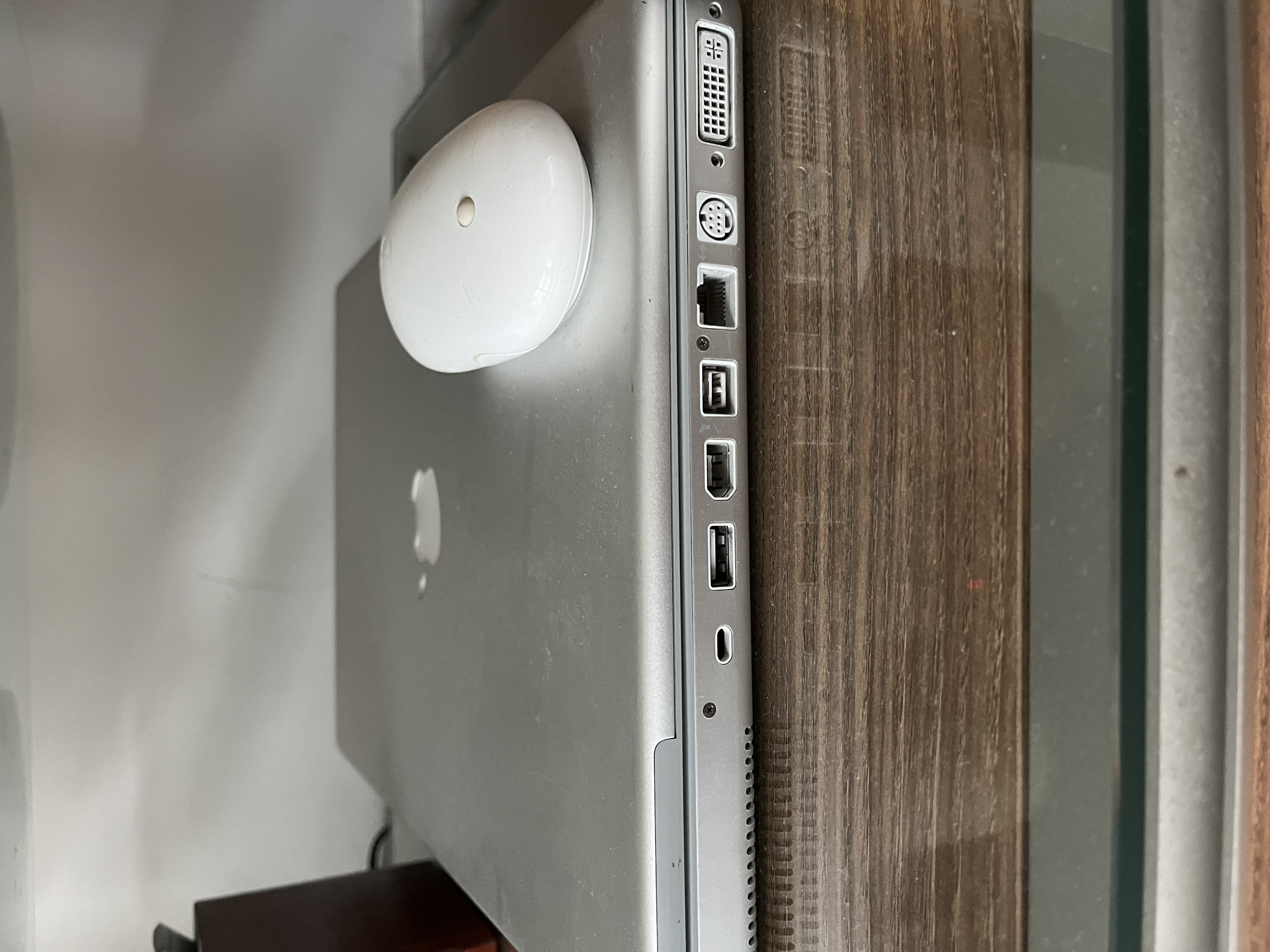
The MacBook Pro G4 from 2005 had 6 ports on the right side. Modern MacBook Pro have two Thunderbolt 3/4 with USB-C slots + one SD-Card reader.
mine is an integrated development environment for Coalton and Common Lisp for Windows, macOS, and Linux. #lisp
How LLMs Actually Work. FWIW.
TIL that there’s something like Astral uv for Chicken Scheme: Why I chose Rust for Basket. #scheme