Latest micro-posts
You can also also view the full archives of micro-posts. Longer blog posts are available in the Articles section.
Now it is 25 years later and the bootstrap baby is old enough to be in grad school. I have had some second thoughts about the bootstrap—its strengths and weaknesses, its foundations, what it can and cannot do, what it might do in the future—and these second thoughts are what I will talk about, briefly, here. — Second Thoughts on the Bootstrap, by Bradley Efron
Deno is a simple, modern and secure runtime for JavaScript and TypeScript that uses V8 and is built in Rust. It looks like a solid successor to Node.
How did I miss the website for Emacs Racket mode? #racket
I took some days off lately. Meanwhile, cooking and gardening went all fine!

Bringing React Native to Windows & Mac devices. Is this an laternative to the good old Electron way of delivering so-called native apps on your preferred OS?
Janet. #lisp
The entire language (core library, interpreter, compiler, assembler, PEG) is less than 1Mb.
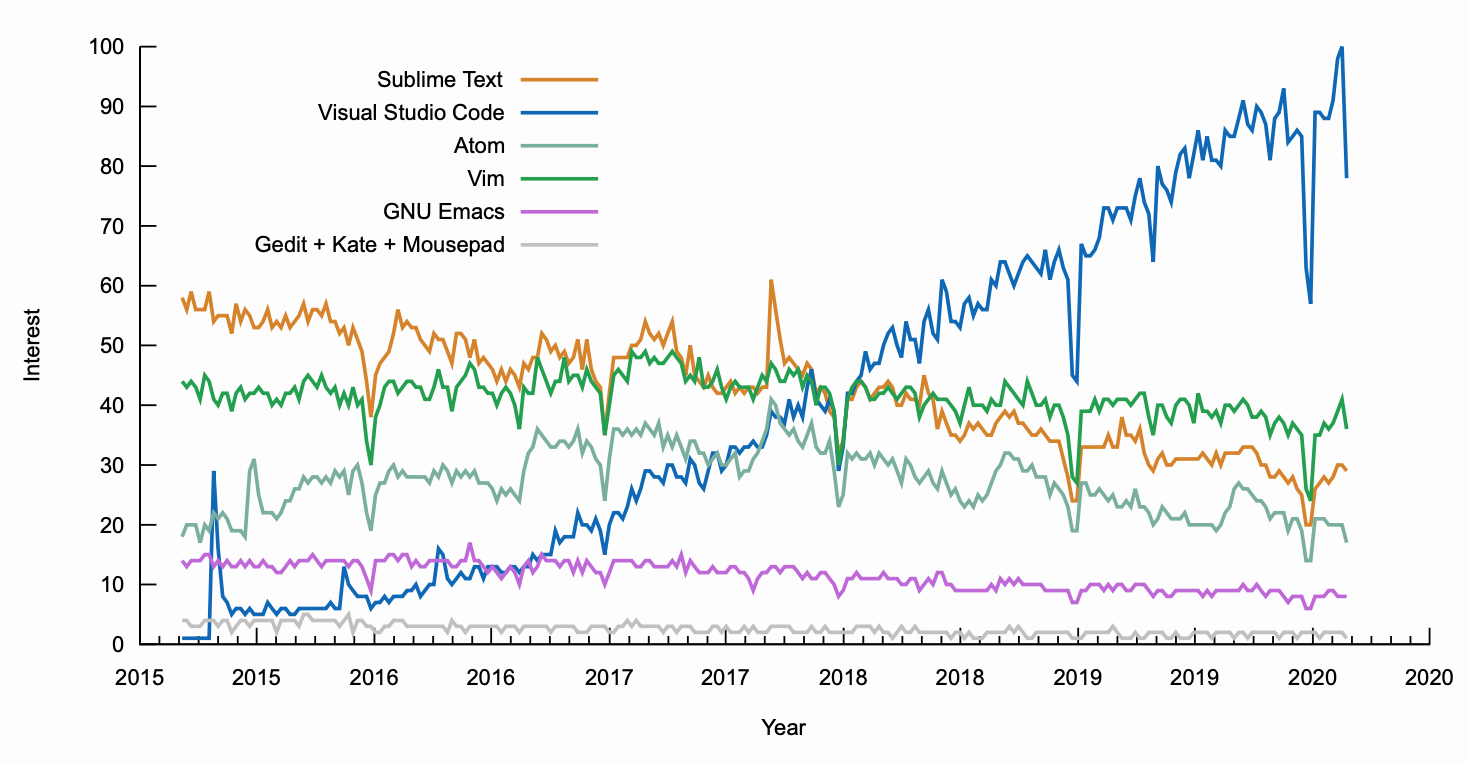
The rise of interest in VSC is pretty interesting, compared to that of Atom few years ago, although I’m a bit surprised that Emacs remains such a niche for programmers (and probably writers as well).
Oh boy, this is hot! Really hot! I mean why fan in my laptop spins like I’m playing a video game? Oh, it’s because I’ve opened these two editors side by side.
Just kidding. It’s fine, but this performance-related pun is still a thing, unfortunately, because each of those editors eats more memory and CPU cycles than Sublime Text, and overall performance is not that good. Why? Because these editors are not exactly editors. These two are web browsers that were turned into text editors. — Andrey Orst on Text Editors
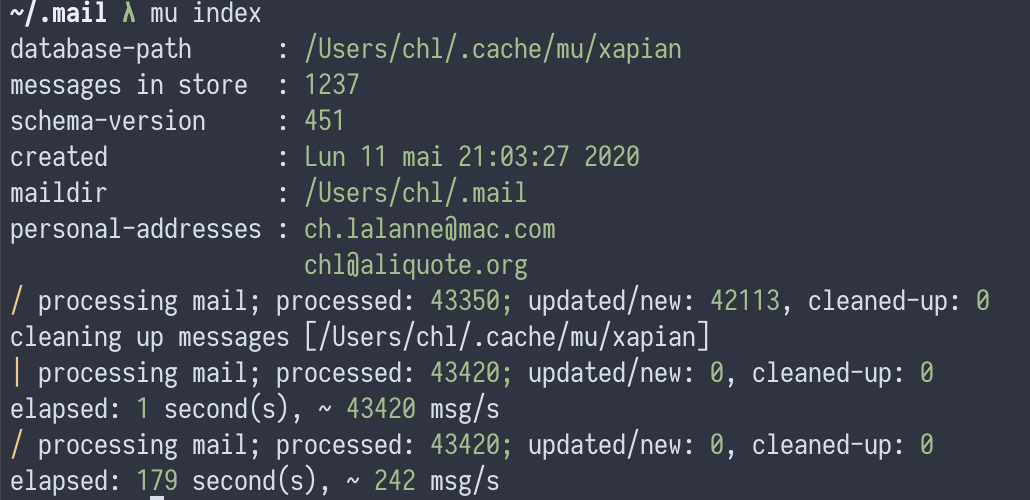
Just checking some old emails; the latest version of mu is (still) blazing fast! Already 7 years and counting.