Latest micro-posts
You can also also view the full archives of micro-posts. Longer blog posts are available in the Articles section.
Les données conduisent au refroidissement social. #fr
Well, I’m done for good with Occupied, my list of TV series is out of stock, and I have no idea what to look for. I guess I’m good at reading books and watching Minecraft gamers on Twitch.
Got a little upgrade under the hood in the morning:
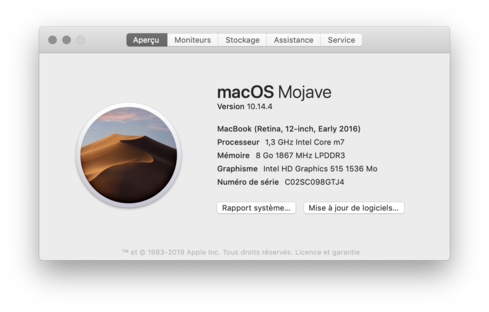
Nothing really new, though, except perhaps the “more editorial highlights on a single page in the Browse tab” in iTunes.
I like minimal theme, hence the Hugo them I choose last year. However, I just found an even more minimalist theme: slim.
Scott’s World*, and more animations to see on Complexity Explorables.
Even if I have only increased the length of my working days by 2 hours in 1
month (currently 9am to 3pm), I definitely stay out of work for a good 2 or 3
hours once I get home. I guess I just have to live with that for the moment.
It’s probably time to finish Occupied before the beer finishes me off. #self
Functional programming explained for the pragmatic programmer. Nice take. Maybe it would have been easier to focus on C versus Common Lisp before addressing the case of hybrid languages. (via HN)
What a beautiful artistic work at the crossroads between dataviz and
infographics, by @janezhgw. #dataviz