Latest micro-posts
You can also also view the full archives of micro-posts. Longer blog posts are available in the Articles section.
Solving the puzzle of the address-of operator. #clang
Other subtleties of the C language: There are two ways to index an array a, either a[i] or i[a], as illustrated below:
#include <stdio.h>

int main(void) {
  int arr[5] = {1, 2, 3, 4, 5};
  int i = 2;

  printf("i[arr]: %d\n", i[arr]);
  printf("arr[i]: %d\n", arr[i]);
}
Almost 50, I remain philosophical because I spent about the first ~45 of them living without Youtube. Did that well enough. — https://lists.ubuntu.com/mailman/listinfo/ubuntu-users
I generated a docset for Purescript with pursuit.docset. However, I’m skeptical about its added value. I’m using Dash docset in Neovim via vim-dasht, and I noticed that oftentimes the online help for simple query like filter or partition are pretty vague. E.g., in the case of filter the very first hits are all about _filter :: forall r a. Lens' { ... } a, while none of the first matches for partition yields the same result as a simple query on Pursuit (filter :: forall a. (a -> Boolean) -> Array a -> Array a).
This document is a sort of quine. If you select the whole page in your browser and paste it into a file, this text shows up encoded in a weird Markdown variant embedded in a string literal inside a Racket lisp script. Evaluating the file with
racket -f $FILEevaluates the lisp, converting the weird Markdown and producing the same HTML document that your browser received. — https://cgad.ski/
Compiling Chicken Scheme scripts. #scheme
Vim is not an IDE. It can be customized to look like one, but the more you try to make it to look like an IDE, the less it behaves like vim (fast and lightweight). If you need a full-fledged IDE features, use a real IDE. — Why I Use Vim
Ashby’s book “Introduction to Cybernetics”: One of the very first English textbook I bought when I was a PhD student involved in some kind of Neurosciences back at the time.
♪ Fay Claassen · Almost Blue
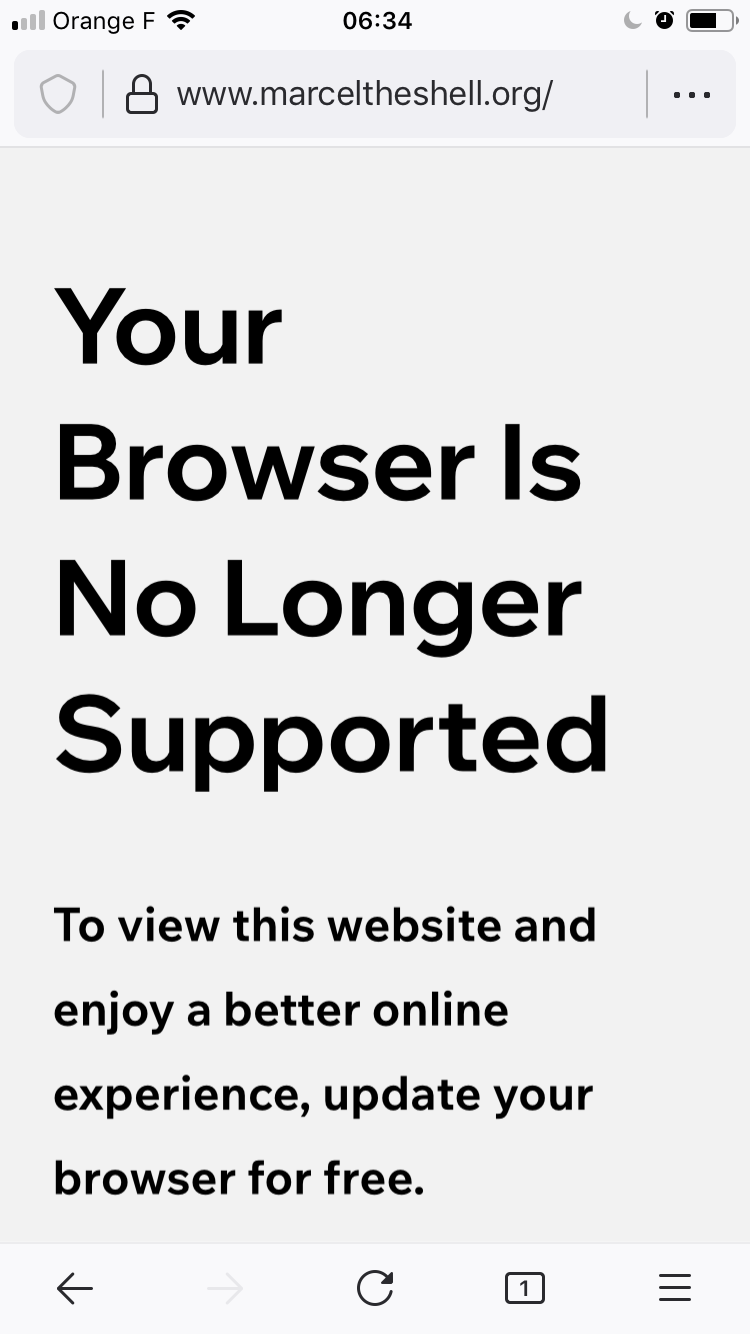
I keep getting this kind of weird stuff on my pretty old iPhone. Internet was less complicated back in the time, especially when Apple was not tying up software to hardware to such an extent.
Everything you ever wanted to know on how to execute a command in multiple files in Vim. I mostly use argo and cdo. #vim